When you’re curating a lavish basket filled with truffles, champagne, and artisanal cheeses, you might think the only tax on your mind is the price tag. In reality, Value‑Added Tax (VAT) can sneak up on you like an uninvited guest at a gala. This guide walks you through the maze of VAT for luxury gift baskets, turning a potential headache into a smooth, compliant operation.
Understanding VAT Basics for Luxury Gift Baskets
What is VAT and Why It Matters
VAT is a consumption tax added at each stage of the supply chain. For luxury gift baskets, it’s not just a number on a receipt; it’s a regulatory requirement that can express hampers affect pricing, customer perception, and your bottom line.
VAT Rates and Exemptions
- Standard rate: 20 % (in most EU countries). Reduced rate: 5 % for certain food items, but rarely applies to luxury baskets. Zero rate: Rarely relevant unless you export outside the EU. Exemptions: Some services, like gift-wrapping, may be exempt if they’re considered a separate service.
Knowing the exact rate that applies to each basket component is the first step toward accurate invoicing.
Classifying Your Luxury Gift Baskets for VAT Purposes
Product Composition and Taxability
A luxury basket is a bundle of goods, each potentially taxed differently. For instance:
- Fine chocolates – standard rate. Organic fruit – standard rate. Premium wine – standard rate, but subject to excise duties.
When you mix items, you must calculate VAT on the total value of the basket, not on individual items unless you’re offering them separately.

Packaging, Services, and Additional Charges
- Packaging: If it’s a simple wrapper, it’s usually included in the VAT calculation. Gift‑wrapping services: If you charge a separate fee, treat it as a service and apply the appropriate rate (often standard). Delivery fees: Generally taxable at the standard rate.
Anecdote: A boutique in London once added a €15 gift‑wrapping fee to its baskets but mistakenly omitted VAT on that fee. The local tax office sent a notice that left the owner scrambling to correct invoices. The lesson? Every charge, even the small ones, needs a VAT tag.
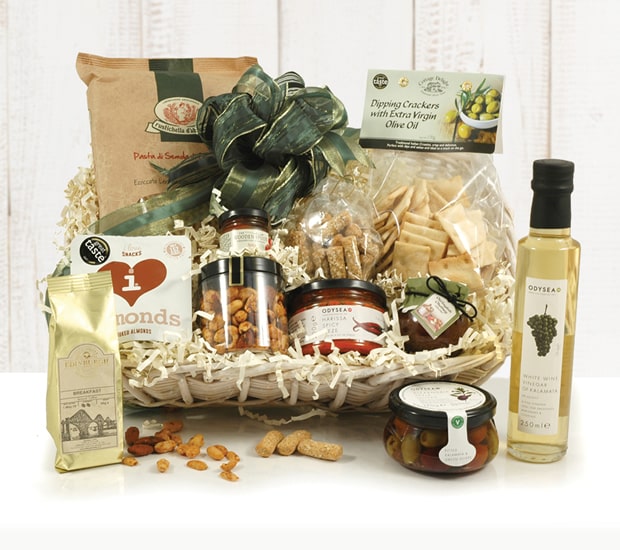
Calculating VAT Correctly
Determining the Tax Base
The tax base is the gross value of the basket: product cost + packaging + services + delivery.
Applying the Right Rate
Multiply the tax base by the applicable rate (usually 20 %).
> “Tax is the price we pay for civilization.” – Otto von Bismarck
Common Pitfalls and How to Avoid Them
- Mixing B2B and B2C rates: B2B customers can claim VAT refunds; B2C customers cannot. Failing to account for excise duties: Wine and spirits carry additional taxes that must be added before VAT. Overlooking reverse‑charge mechanisms: If you sell to VAT‑registered businesses in other EU countries, you may need to reverse‑charge.
Use a spreadsheet template or accounting software that flags these scenarios automatically.
Managing VAT Records and Compliance
Keeping Accurate Invoices
- Invoice must include: Seller’s VAT number, buyer’s VAT number (if applicable), itemized list, VAT rate, VAT amount, total. Avoid ambiguous terms: “Luxury” is subjective; use specific product descriptions.
Record‑Keeping Requirements
- Retention period: 10 years in most jurisdictions. Digital vs. paper: Digital records are acceptable if they’re legible and secure.
Dealing with Audits
- Prepare a “VAT audit kit”: All invoices, bank statements, purchase orders, and correspondence. Stay transparent: If the auditor asks a question, answer honestly. The adage “honesty is the best policy” holds true even in tax matters.
Practical Tips for Streamlining VAT on Luxury Gift Baskets
Bulk Purchasing and Supplier Agreements
Negotiate with suppliers to receive VAT‑inclusive pricing. This simplifies your own calculations and reduces the risk of double‑charging.
Leveraging Digital Tools
- Accounting software: QuickBooks, Xero, or specialized VAT modules. VAT calculators: Online tools that auto‑apply rates based on product codes.
Working with a Tax Advisor
A seasoned tax professional can help you navigate complex scenarios, especially when expanding into new markets or dealing with cross‑border sales.
The Perfect Gift Awaits: Final Thoughts and Next Steps
Handling VAT for luxury gift baskets isn’t just a bureaucratic chore; it’s an opportunity to build trust with your customers. When every invoice is clear, every rate is correct, and every record is in order, you’re not just selling a basket—you’re offering peace of mind.
Take the next step: audit your current invoicing process, identify any gaps, and implement one of the tools or strategies above. The result? A smoother operation, happier clients, and a tax situation that’s as polished as the baskets you sell.
https://andrejryi148.raidersfanteamshop.com/custom-luxury-gift-baskets-for-employee-recognition-events-the-ultimate-show-of-appreciation
Remember, VAT may be a hidden door in the luxury gift industry, but with the right key, you can walk through it confidently and even enjoy the view on the other side.